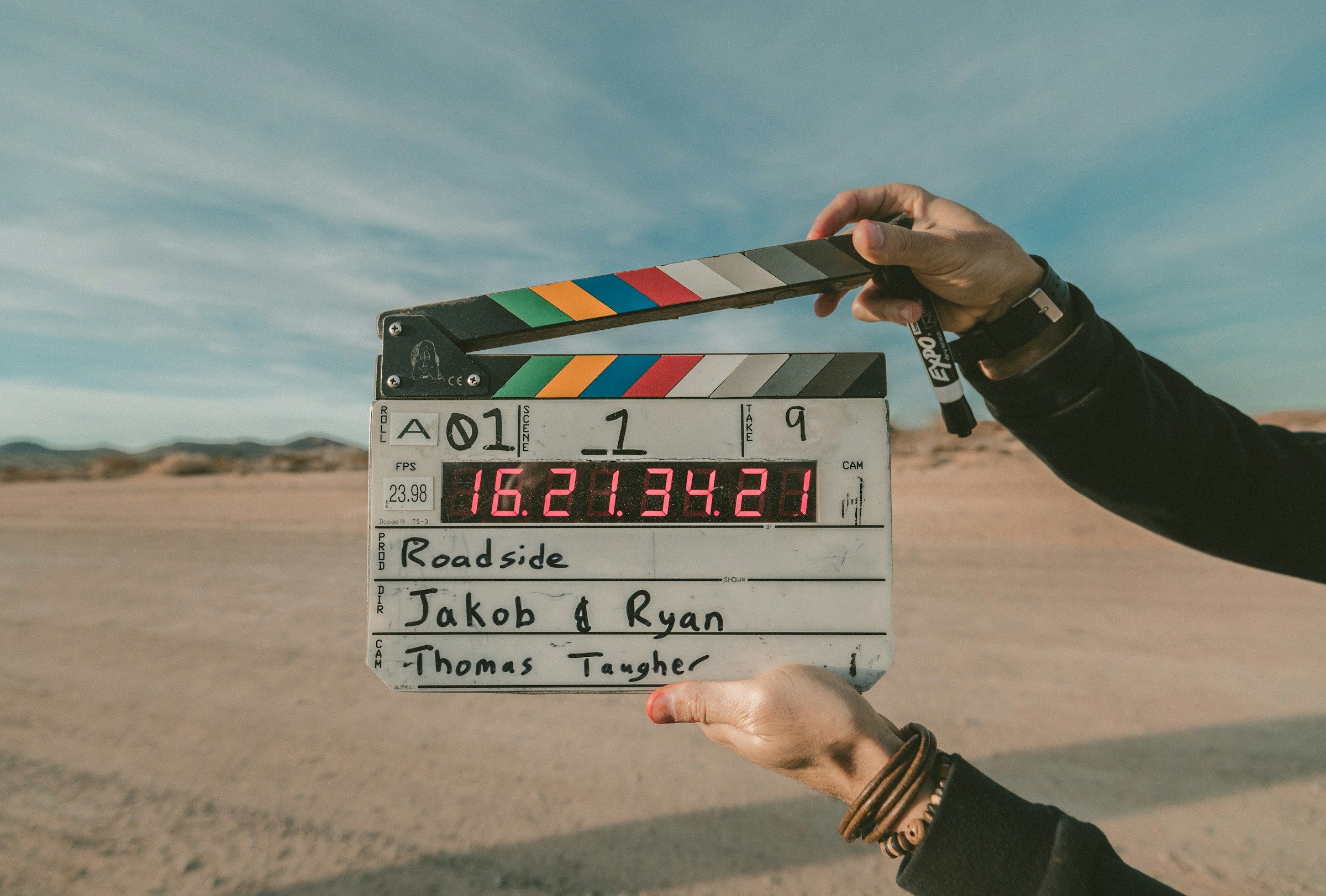
Most project-based businesses treat their best work as filed-away documentation. A finished install. A completed build. A delivered event. Photos saved to a Dropbox nobody opens. Video, if it happened, sitting on a hard drive somewhere.
That work should be doing more.
The companies winning bigger RFPs, closing bigger pitches, and getting followed by the right people are the ones who figured out that documenting your work IS your marketing engine. Every project becomes content. Every install becomes a story. Every team member becomes a familiar face to a prospect who has been watching for six months without ever emailing you.
Here is the framework we build with our clients. Four content categories. Each one does a different job. Together they create the kind of feed that turns prospects into inbound leads and RFPs into wins.
What most project-based businesses get wrong
The default approach is to shoot a hero video every 12 to 18 months. Maybe a brand story. Post it on LinkedIn. Wait for something to happen.
Nothing happens.
A single cinematic film on its own has no context. It shows up in someone's feed like a shark fin without the ocean. No pattern of build-up. No familiarity. No reason to trust it beyond production value.
Great content is not one film. It is a rhythm.
The 4-content framework
Every project-based business, whether you do AV integration, construction, engineering, industrial fabrication, or event production, should be filming these four categories on a recurring basis. Each one earns a different reason to follow you.
1. Hero content: the cinematic project film
The crown jewel. Full-production storytelling of a completed project. Client interviews. Site footage. The install day compressed into 60 to 90 seconds of cinematic proof. Editorial pace. Sound design. The kind of film you can put in front of an evaluation committee.
This is what closes the deal. RFP shortlist? You send them the hero film. Pitch meeting? You open with the hero film. New sales collateral? Hero clips get repurposed into every deck for the next two years.
But hero content on its own is not enough. Without the other three categories, hero films land as marketing. With the other three, they land as the culmination of a story people have been watching build.
2. How it's built: teach something
Behind-the-scenes footage that explains the craft. Why you designed it that way. What went into the pre-fabrication. How the acoustics were tuned. Why the load calculations mattered. Why you picked this specific piece of gear over the obvious choice.
This is your credibility content. People who watch this walk away smarter. Prospects who watch this trust you more. Junior team members can even present these clips internally to walk clients through your approach.
Post these in 30 to 90 second cuts on a consistent cadence. They teach, so they earn follows. And when your hero film drops, viewers already know you know what you are doing.
3. Inside the project: access
The stuff most people never get to see. Early site conditions. Massive equipment being craned in. Time-lapses of the build. The team problem-solving on the fly at 2 am the day before an event opens.
This is the access category. It rewards curiosity. It humanizes what could otherwise feel like a corporate brochure. And it is endlessly repostable, endlessly shareable, and endlessly interesting to anyone in your industry who has ever been on a job site.
4. The people behind it: familiarity
Short interviews with the team. On-site portraits. A day in the life of your project manager. The founder walking through why they started the company. The senior tech explaining the one detail everyone else misses.
This is the trust category. People buy from people. When a decision-maker sees the same faces over and over in their feed, you stop being "that company that pitched" and start being "the team we have been following."
By the time they are evaluating vendors, you have unfair familiarity.
Why photo and video packages win bigger RFPs
Most RFP submissions arrive with the same standard package. Written narrative. Team bios. A few renders. Maybe stock-quality project photos.
Now imagine yours arrives with a 90-second hero film of your last comparable project, a tight photo series of your team on that site, and a shortcut link to your "how it's built" series showing your process on similar work.
The evaluation committee opens both. Yours is a story. Theirs is a document.
Which one gets remembered when the shortlisted companies are debated in the room?
Photo and video packages do not just help you look better. They elevate your proposal into a category the other bidders cannot compete in without also building this library. Most of them have not started.
The compounding value of the archive
Every project you document adds to a permanent archive. That archive:
Wins the next RFP by giving you proof-of-comparable-work at a keystroke.
Sells your services into new sectors as you diversify. Recruits like a magnet, because talented people want to see what they would be joining.
Documents the growth of your team and company for internal culture, milestones, and anniversaries.
Serves as evidence when a client asks, five years from now, "Have you done anything like this before?"
The archive is an asset. It appreciates.
The companies that started documenting their work seriously five years ago now have libraries their competitors would pay millions to have. And they did not spend millions to build them. They built them one project at a time, by treating every shoot as an investment in a system rather than a one-off.
How to actually start
Pick one project this quarter. Not a huge one. Something representative of your typical work.
Book a single shoot day. Half day on site during install or build. Half day capturing team interviews and portraits.
From that one shoot day, you deliver:
One hero film (60 to 90 seconds).
Three to five short-form cuts for the "how it's built" series.
A photo library of 30 to 50 usable images.
A team portrait series.
A time-lapse of the install or build.
That is a launchpad. One shoot day seeds all four content categories. It gives your social feed three to four months of content. And it gives your sales team a case study that closes.
Then you do it again on the next project. And the one after that.
Within a year you have a library. Within two you have a moat.
The framework in one line
Cinematic hero content wins the RFP. The other three categories, teach, access, faces, build the trust that gets you shortlisted in the first place.
Document everything. Deliberately. On a system. And treat every project as an investment in the archive.
The archive compounds. The competition without one falls further behind every quarter you stay consistent.
If you want help building this system for your project-based business, [start a conversation with the studio](/contact). We build these frameworks with clients across AV, construction, hospitality, and industrial work every month.